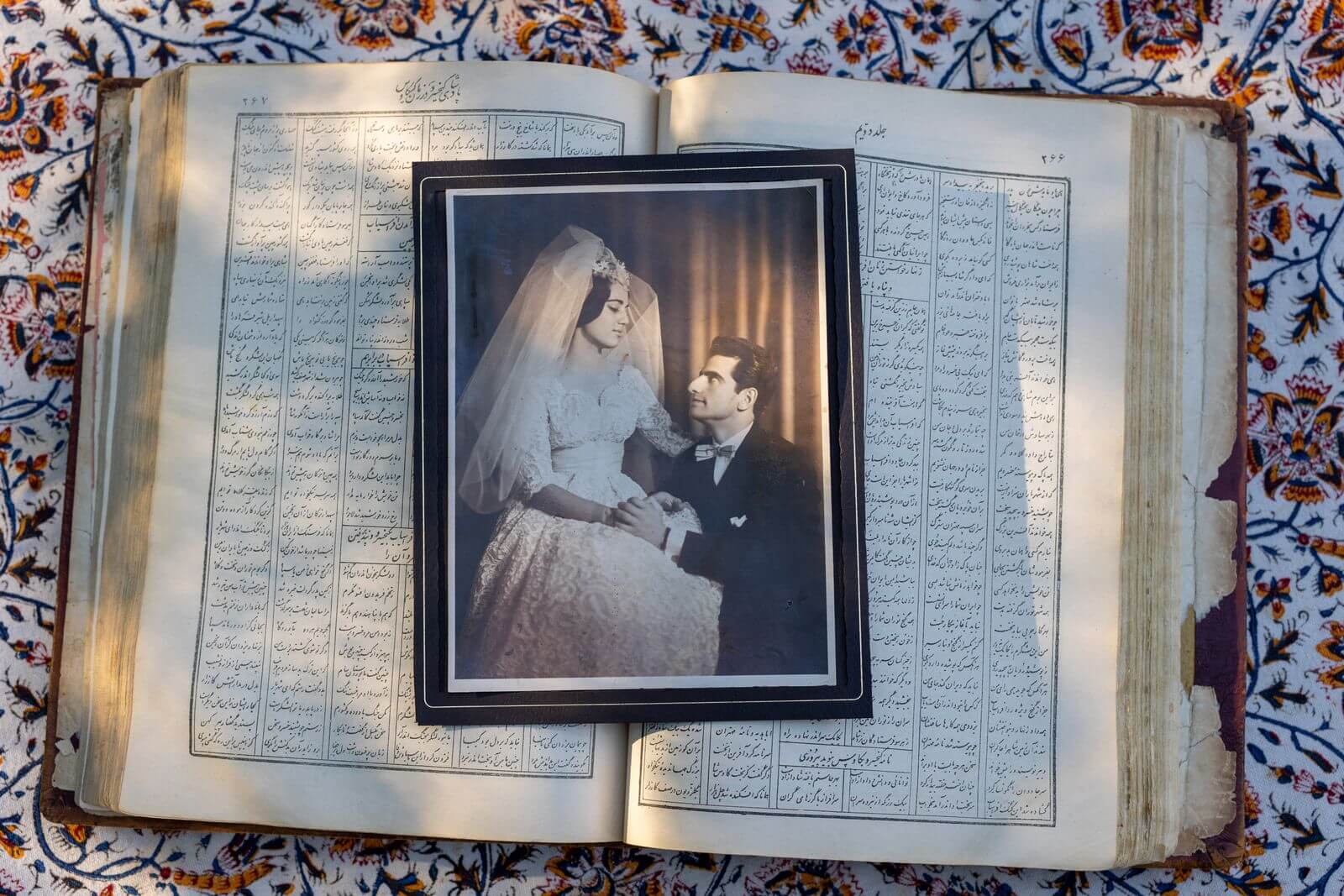
“Mitra loved anything beautiful. She kept countless notebooks. And on every page she’d paste something beautiful: a flower, a feather, a line from a poem. One time we went to a large antique shop, and the owner challenged us to choose the most expensive items in the shop. Mitra looked around the store and chose two that nobody else had noticed. The owner was shocked. He announced that those were the only two that were not for sale. She had a genius for beauty. It was one of her greatest gifts. But her greatest gift by far, was her memory. Mitra could memorize an entire poem after hearing it a single time. Her favorite was Hafez: The Prince of Romance. She’d memorized two hundred of his ghazals. And whenever she found a verse that she loved, she’d bring it to me to read. We’d heard our voices many times before in arguments. But it was different when we read poetry. There was a softness, a delicacy. When you’re reading a poem, you must find the melody. 𝘈𝘩𝘢𝘯𝘨. The instrument is your throat. And the words are the notes. Some you strike suddenly—with a bang. Others you unroll gently, like a bow being slowly pulled across the string of a violin. Every word has life. Every word has its own soul. The word roar has a soul. 𝘒𝘩𝘰𝘳𝘰𝘰𝘴𝘩! And so does the word kiss. 𝘉𝘰𝘰𝘴𝘦𝘩. We were married in the traditional way. It was a small ceremony at the home of Mitra’s father. On the morning of our wedding Mitra and I visited a famous photographer in Tehran. We took a series of photographs standing side-by-side. She was so conscious of her crippled hand, she found a way to hide it in every photo. But she’d never looked so beautiful. When the session was finished, I suggested one final photograph. I could tell the photographer was annoyed, but he agreed. And it’s the photograph that still hangs in our house today. Mitra is sitting on a chair. And I’m down on one knee, looking up at her, holding her hand.”
«میترا هر چیز زیبایی را دوست داشت. در دفترچههای پُرشُمارش و بر هر برگی از آنها چیزی زیبا میچسباند: گُلی، پَری، بیت شعری. روزی میترا و من به عتیقهفروشی بزرگی رفتیم - فروشنده ما را به چالش کشید که گرانترینهایش را شناسایی کنیم. میترا نگاهی به پیرامون انداخت و به دو قطعه اشاره کرد. صاحب فروشگاه شگفتزده گفت که هیچکس تا کنون به آنها توجه نکرده بود. او گفت که این دو تنها چیزهایی هستند که فروشی نیستند. میترا نبوغ ویژهای در زیباشناسی داشت. یکی از بهترین تواناییهای او بود. ولی برجستهترین توانایی او حافظهاش بود. میترا پس از یک بار شنیدن شعر، بسیاری از آنرا به یاد میسپرد. عاشق شعر بود. تنها زمینهای که بر آن توافق داشتیم. شاعر مورد علاقهاش حافظ بود: شاهزادهی عاشقانهها. میترا بیش از دویست غزل او را از بر داشت. برخی را که دلپسندش بود به من میداد تا بخوانم. باور داشت که من آهنگ درست شعر را پیدا میکنم. صدای همدیگر را در بگومگوهامان بسیار میشنیدیم. ولی هنگام شعر خواندن چنان نبود. حالتی از دلپذیری و نرمش. در شعر، حنجره ساز شماست. و واژهها نُتهایتان. برخی را ناگهان مینوازی - با آوایی بلند. برخی دیگر را به آرامی، مانند کشیدن آرشه بر زه. هر واژه ویژگی خود را دارد. هر واژه را جانی دیگر است. واژهی خروشیدن جانی خروشان دارد! همانگونه که واژهی بوسیدن و بوسه، دلآویزی و آرامشش را! پیوند ما ازدواجی سنتی بود. جشن کوچکی در خانهی پدر میترا. بامداد روز ازدواجمان، به آتلیهی عکاسی پرآوازهای در تهران رفتیم. میترا را هیچگاه به آن زیبایی ندیده بودم. چندین عکس ایستاده در کنار هم گرفتیم. در هر عکسی حالتی را مییافت تا دست چپش را پنهان کند. هنگامی که کارمان تمام شد، پیشنهاد عکسی دیگر دادم. عکاس آزرده مینمود اما عکس را گرفت. و آن همین است که تا امروز بر دیوار آویزان است. میترا روی صندلی نشسته و من یک زانو بر زمین نهاده، محو تماشای او، دستش را در دست گرفتهام.»

Humans of New York feature
Explore Bubjan's Stories
Part 1/54
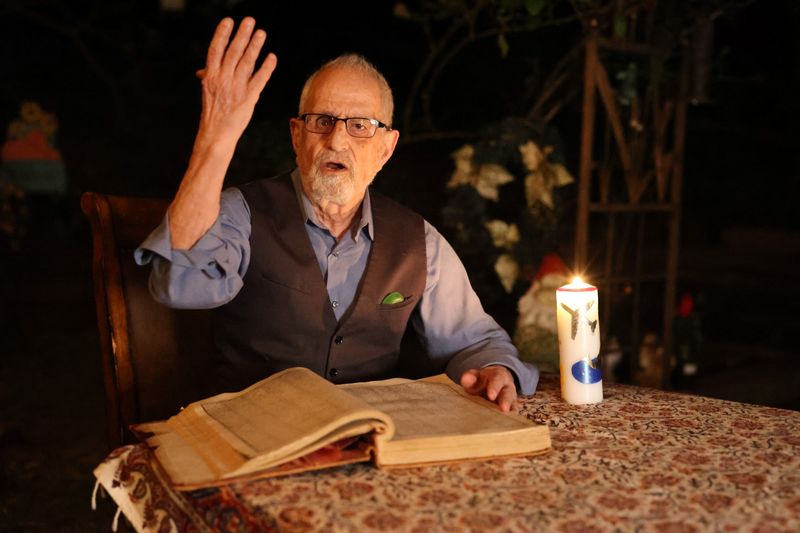
“We begin in darkness. A siren screams. The invaders come from the desert in a cloud of dust. The king gathers his army at a mountain castle. A single battle decides our fate. The battle burns, the din of drums, the clash of axes, the spark of swords. The dirt turns clay with blood. The sun goes down on a fallen flag. The day is lost. The king is gone. Our people are left defenseless. The only weapon we have left is our voice. So they come for our words. Scholars are murdered, books are burned, entire libraries are turned to dust. Until nothing remains. Not even memories of who we were. Silence. The sun comes up on a knight galloping across the land. He summons the teachers, the scholars, the authors, the thinkers. He tells them to gather the words that remain: the books, the scrolls, the letters, the verses. Everything that escaped the burning pits. Then he summons the sages. The keepers of our oldest myths, from before the written word. He copies their stories onto the page. Then when all has been gathered, all of the words, only then does he summon a poet. It had to be a poet. Because poetry is music. It sinks into the memory. And in this land of endless war, the only safe library is the memory of the people. It is said that at any given time there are one hundred thousand poets in Iran, but only one is chosen. A single poet, for a sacred mission. Put it all in a poem. Everything they’re trying to destroy. The entire story of our people. Our kings. Our queens. Our castles. Our banquets. Our songs and celebrations. Our goblets filled with wine. Our roasted kebabs. Our moonlit gardens. Our caravans of riches: silken carpets, amber, musk, goblets filled with diamonds, goblets filled with rubies, goblets filled with pearls. Our mountains. Our rivers. Our soil. Our borders. Our battles. Our crumbled castles. Our fallen flags. Our blood. Who we were. Who we were! Our culture. Our wisdom. Our choices. And our words. All of our words. Three thousand years of words, a castle of words! That no wind or rain will destroy! However long it takes, put it all in a poem. All of Iran, in a single poem. A torch to hold against the night! A voice to echo in the dark.”
«در تاریکی آغاز میکنیم. بانگ آژیری برمیخیزد. غارتگران بیابانی در هالهای از گرد و غبار فرا میرسند. شاهنشاه سپاهیاناش را پیرامون کاخی کوهستانی گرد میآورد. تکنبردی سرنوشتساز است. سوزندگیهای نبرد، بانگ کوس و دراها، چکاچاک تبرها، درخشش شمشیرها. خاکِ آغشته به خون گِل میشود. خورشید درفش افتاده را به شب میسپارد. نبرد از دست رفته است. پادشاه نیز رفته است. و مردمان بیدفاع ماندهاند. اینک سخن، تنها جنگافزار ماست. زین روست که بر واژگانمان میتازند. دانشمندان را میکشند، کتابها را میسوزانند، کتابخانهها را با خاک یکسان میکنند آنچنان که هیچ نمانَد. حتا یادمانی از آن که بودهایم. خاموشی. خورشید بر سواری که در سرتاسر زمین میتازد پرتوافشان است. اوست که آموزگاران را فرا میخواند، دانشمندان را، نویسندگان را، اندیشمندان را. و از آنان میخواهد تا همهی واژگانِ بازمانده را فراهم آورند. کتابها، طومارها، نامهها، سرودهها. و هر آنچه از شرارههای سوزان آتش دور مانده است. آنگاه فرزانگان را فرا میخواند. نگهبانان اُسطورههای کهن، از پیشین زمان. داستانهاشان را بر برگها مینویسند. با فراهم آمدن این همه، هنگام آن رسیده است تا سُرایندهای توانا بالا برافرازد، نیزهی قلم برگیرد، سرودههای آهنگیناش را چنان بر دلها نشاند که در یادها بمانند. در این سرزمینِ جنگهای بیپایان، تنها کتابخانهی امن، خاطرهی مردمان است. گویند سدهزار شاعر همزمان در ایران میزیَند ولی تنها یکیست که از پس این کار ستُرگ برمیآید. تکشاعری، برای کوششی سِپَنتا. کسی که همهی واژگان را در شعرش بگنجاند! گنجینهای دور از دستبُرد آنان که در پی نابودیاش هستند. دربرگیرندهی داستان مردمانمان. پادشاهانمان. شهبانوانمان. کاخهامان. سرودها و بزمهایمان. جامهای پر از بادهمان. کبابهای بریانمان. باغهای مهتابیمان. کاروانهای کالاهای گرانبها: فرشهای ابریشمین, عنبر، مُشک، پیمانههای پر از الماس، پیمانههای پر از یاقوت، پیمانههای پر از مُروارید. کوهستانمان. رودهامان. خاکمان. مرزهامان. نبردهامان. باروهای ویرانمان. درفشهای بر خاکافتادهمان. خونمان. که بودهایم. که بودهایم! فرهنگمان. خِرَدمان. گزینههامان. و واژگانمان. همهی واژگانمان. هزاران سال واژه، کاخی از واژگان که از باد و باران نیابد گزند! هر اندازه زمان ببرد.همه را در شعرش بگنجاند. همهی ایران را، در سُرودی یگانه. مشعلی فُروزنده در سیاهی شب! پژواک بلند و پُرطنین آوایی در تاریکی.»
Read more
Part 2/54
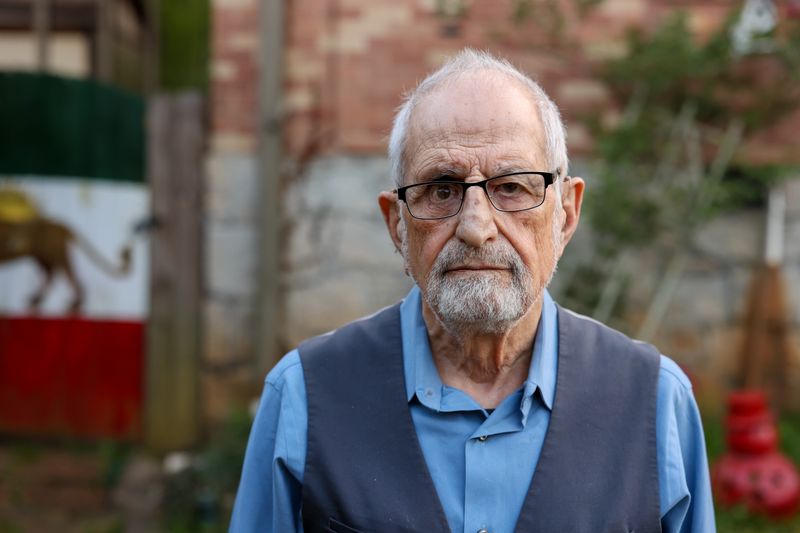
“I couldn’t find it anywhere. Even on the streets of Tehran—it was nowhere to be seen. The Iran I knew was gone. Everywhere I turned it was nothing but black: black cloaks, black shrouds. The universities were closed, the libraries were closed. Our poets, our singers, our authors, our teachers: one-by-one they were silenced. Until Iran only survived inside our homes. I never planned to leave. I didn’t even have a passport. Twenty years earlier I’d sworn an oath to The Siren: every choice I made, I’d make for Iran. But The Siren was dead. They shredded his heart with bullets. And there was only one choice left: leave and live, or stay and die. It was an eight-hour drive to the Turkish border. Mitra came with me. We rode in silence the entire way. I’ve always wondered how things would have turned out differently if we’d been more aligned. She wanted our lives to be a love story. A surreal romantic journey. She wanted a life of togetherness, surrounded by beauty. For me life was meant to be lived in the pursuit of ideals: truth, justice, freedom. Even if that meant the ultimate sacrifice. We kissed goodbye in the border town of Salmas. In the main square stood a statue of Iran’s greatest poet: Abolqasem Ferdowsi. On that day it was still standing. Soon the regime would tear it down. I spent the night in the house of a powerful family who was known to oppose the regime. Their servants stood around the house with machine guns on their shoulders. Six months later they’d all be dead. On my final morning in Iran I woke with the sun. I knelt on the floor and prayed. The final journey was made on foot. It was six miles to the border, the road climbed through the mountains. It was a closed border; so the road was empty. Every step felt like death. I’ve never cried so many tears. Ferdowsi once wrote: ‘A man cannot escape what is written.’ I’ve always hated that quote. I hate the idea of destiny. There is always a role for us to play. There is always a choice to be made. But on that day it felt like destiny, a river flowing in one direction. And I was a leaf, floating on top. Away from where I wanted to go.”
«آن را نمییافتم. حتا در خیابانهای تهران - در هیچ جای دیگر هم نبود. ایرانی که من میشناختم، رفته بود. به هر سو نگاه میکردم تنها سیاهی بود: عباهای سیاه، چادرهای سیاه. دانشگاهها را بسته بودند، کتابخانهها بسته بودند. شاعرانمان، هنرمندانمان، نویسندگانمان، آموزگارانمان - همه را یک به یک خاموش کرده بودند. ایران تنها درون خانههامان زندگی میکرد. من هرگز قصد رفتن نداشتم. من حتا گذرنامه هم نداشتم. بیش از بیست سال پیش در نیروی آژیر سوگند یاد کرده بودم: همهی اندیشه و توانم، برای ایران خواهد بود. ولی آژیر را کشته بودند. قلبی را که هر تپشش برای ایران بود با گلوله سوراخ کرده بودند. و تنها یک گزینه مانده بود: رفتن و زنده ماندن، یا ماندن و مردن. تا مرز ترکیه نزدیک به هشت ساعت رانندگی بود. میترا با من همراه شد. سراسر راه را در خاموشی گذراندیم. همواره کنجکاو بودهام که سرنوشت ما چگونه میشد اگر ما همآهنگتر میبودیم. او همواره میخواست که زندگیمان سفری رؤیایی و عاشقانه باشد. همراهی در زیبایی. ولی زندگی برای من مسئولیتی جدی بود. میبایستی آرمانخواهانه برای رسیدن به راستی، داد و آزادی زندگی کرد. در شهر سلماس با بوسهای همدیگر را بدرود گفتیم. در میدان اصلی شهر تندیسی از بزرگترین شاعر ایران بر پا بود: ابوالقاسم فردوسی، پیر پردیسی من. آن روز تندیس هنوز برپا بود. دیری نپایید که رژیم آن را ویران کرد. شب را در خانهی خانوادهای پرنفوذ که به مخالفت با رژیم شناخته میشد، سپری کردم. خدمتکاران آنها مسلسل بر دوش خانه را پاسبانی میکردند. شش ماه پس از آن دیدار بسیاری از آنها را نیز کشتند. در واپسین بامدادم در ایران با سپیدهدم بیدار شدم و نماز خواندم. واپسین بخش راه را پیاده رفتم. تا مرز دو فرسنگ راه بود. راه از میان کوهستان میگذشت. مرز بسته بود، گذرگاه هم تهی بود. هر گامی سخت بود و اشکم جاری. فردوسی چنین میگوید: بکوشیم و از کوشش ما چه سود / کز آغاز بود آن چه بایست بود. همواره از این گفته بیزار بودهام. از مفهوم سرنوشت بیزارم. هرگز نپذیرفتهام که سرنوشت از پیش نوشته شده باشد. همیشه گزینش و انتخابی هست. ولی آن روز سرنوشت من چون رودخانهای به یک سو روان بود. و من چون برگی شناور بر آب. دور از جایی که آهنگ رفتنم بود.»
Read more
Part 3/54
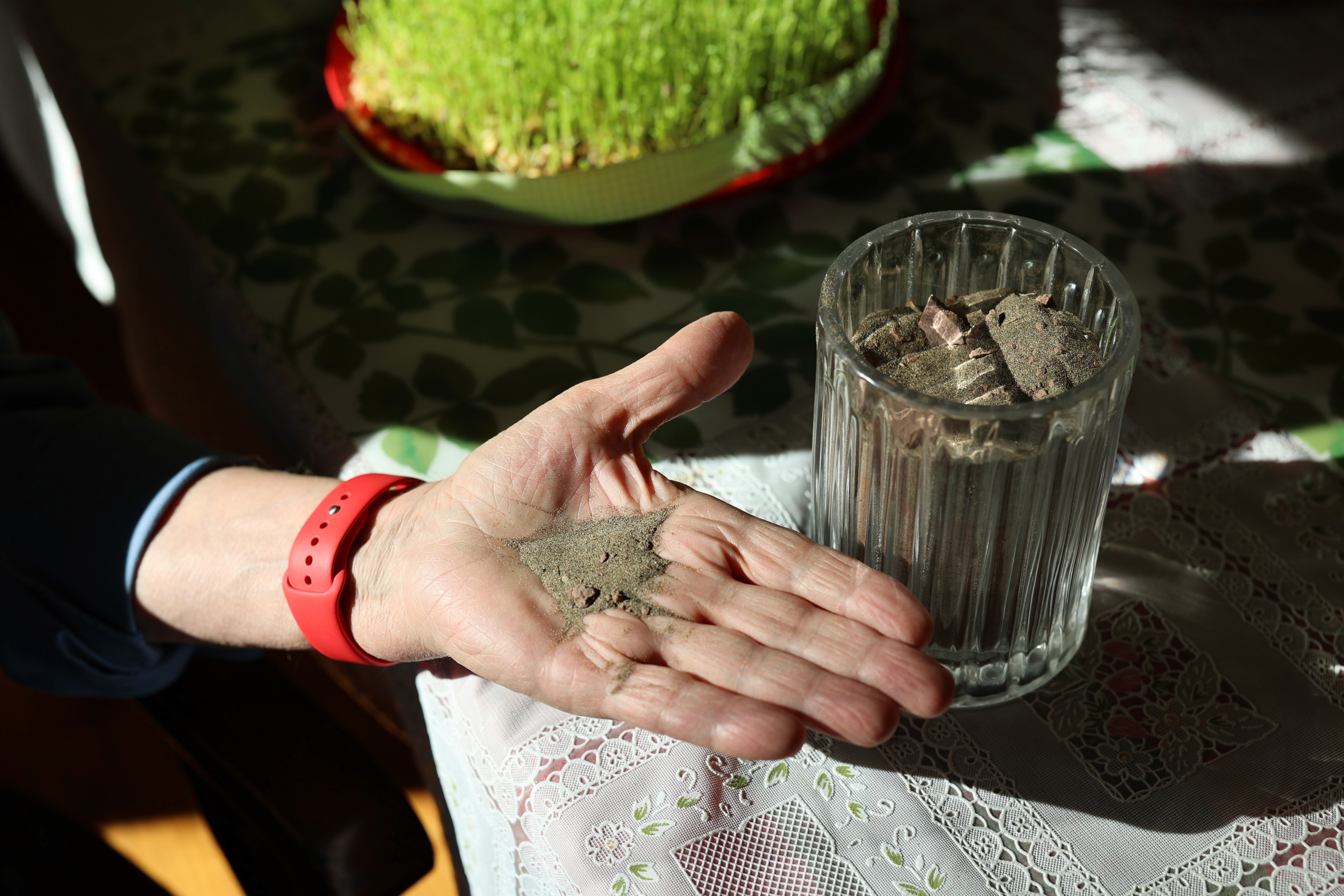
“It’s been forty-three years since I’ve seen my home. All I have left is a jar of soil. It’s good soil. Nahavand is a city of gardens. A guidebook once called it ‘a piece of heaven, fallen to earth.’ The peaks are so high that they’re capped with snow. A spring gushes from the mountain, and flows into a river. It spreads through the valley like veins. We lived in the deepest part of the valley, the most fertile part. Our father owned thousands of acres of farmland. When we were children he gave us each a small plot of land to plant a garden. None of the other children had the discipline. They’d rather play games. But I planted my seeds in careful rows. I hauled water from a nearby well. I pulled every weed the moment it appeared. As the poets say: ‘If you cannot tend a garden, you cannot tend a country.’ My garden was the best; it was plain for all to see. The discipline came from my mother. She was very devout. She prayed five times a day. Never spoke a bad word, never told a lie. My father was a Muslim too, but he drank liquor and played cards. He’d wash his mouth with water before he prayed. The Koran was in his library. But so were the books of The Persian Mystics: the poets who spent one thousand years softening Islam, painting it with colors, making it Iranian. Back then it was a big deal to own even a single book, but my father had a deal with a local bookseller. Whenever a new book arrived in our province, it came straight to our house. I’ll never forget the morning I heard the knock on the door. It was the bookseller, and in his hands was a brand-new copy of Shahnameh. The Book of Kings. It’s one of the longest poems ever written: 50,000 verses. The entire story of our people. And it’s all the work of a single man: Abolqasem Ferdowsi. Shahnameh is a book of battles. It’s a book of kings and queens and dragons and demons. It’s a book of champions called to save Iran from the armies of darkness. Many of the stories I knew by heart. Everyone in Iran knew a few. But I’d never seen them all in one place before, and in a beautiful, leather-bound edition. The book never made it to my father’s library. I brought it straight to my room.”
«چهلوسه سال از هنگامی که از میهنم دور افتادهام میگذرد. آنچه برای من باقی مانده، شیشهایست پر از خاک. خاک خوبیست. خاک نهاوند، خاک ایران. نهاوند شهر باغهاست. زمانی کتاب ایرانگردی را خواندم که آن را "تکهای از بهشت بر زمین افتاده" نامیده بود. بر قلههای بلندش برف همیشگی پیداست. چشمهای که از دل کوه میجوشد، رودی میشود. چون رگهای تن در سراسر دره پخش میشود. ما در ژرفترین بخش دره زندگی میکردیم. حاصلخیزترین بخش آن. پدرم از زمینداران بود. او در کودکی من، به هر یک از فرزندانش پاره زمینی در باغ خانه داد تا باغچهای درست کنیم. بچههای دیگر چندان علاقهای به این کار نداشتند. آنها بازی را بیشتر دوست داشتند. ولی من دانههایم را به هنگام با دقت میکاشتم. آب را از حوض یا چاه نزدیک میآوردم. گیاهان هرزه را بیدرنگ وجین میکردم. همانگونه که میگویند: «اگر نتوانید از باغچهتان نگهداری کنید، از میهنتان نیز نمیتوانید.» باغچهی من بهترین بود؛ زیباییاش بر همگان آشکار. این نظم را از مادرم آموخته بودم. مادرم بسیار پرهیزکار بود. روزی چند بار نماز میخواند، هرگز واژهی بدی بر زبان نمیراند، هیچگاه دروغ نمیگفت. پدرم نیز مسلمان بود، ولی در جوانی گاهی نوشابهی الکلی هم مینوشید و ورقبازی هم میکرد. پیش از نماز دهانش را آب میکشید. در کتابخانهاش قرآن و کتابهایی از عارفان ایرانی داشت. شاعرانی که در درازای هزار سال اسلام را نرم و ملایم کرده بودند، به آن رنگ و بو بخشیده بودند، ایرانی کرده بودند. در آن زمان که داشتن کتاب کار آسان و عادی نبود، پدرم با کتابفروش محلی قراردادی داشت. او هر بار کتاب جدیدی به دستش میرسید، باید یکراست نسخهای به خانهی ما بفرستد. هیچگاه آن بامدادی را که صدای کوبیدن در را شنیدم، فراموش نخواهم کرد. کتابفروش آمده بود و در دستانش کتاب شاهنامهی جدیدی بود. نامهی شاهان. یکی از بلندترین شعرهایی که تا کنون سروده شده است، بیش از پنجاه هزار بیت شعر. همهی داستانهای مردمانمان. همهی ایران در شعری یگانه. و همهشان سرودهی یک شاعر: ابوالقاسم فردوسی. شاهنامه کتاب نبردهاست. کتاب شاهان و شهبانوان، اژدهایان و اهریمنهاست. کتاب پهلوانانیست که ایران را در برابر نیروهای اهریمنی پاس میدارند. بیشتر داستانها را از بر بودم. هر ایرانی داستانی از شاهنامه میدانست. ولی من هیچگاه همهی داستانهای شاهنامه را یکجا در جلدی چرمی و زیبا ندیده بودم. آن کتاب هرگز به کتابخانهی پدرم راه نیافت. آن را یکراست به اتاقم بردم.»
Read more
Part 4/54
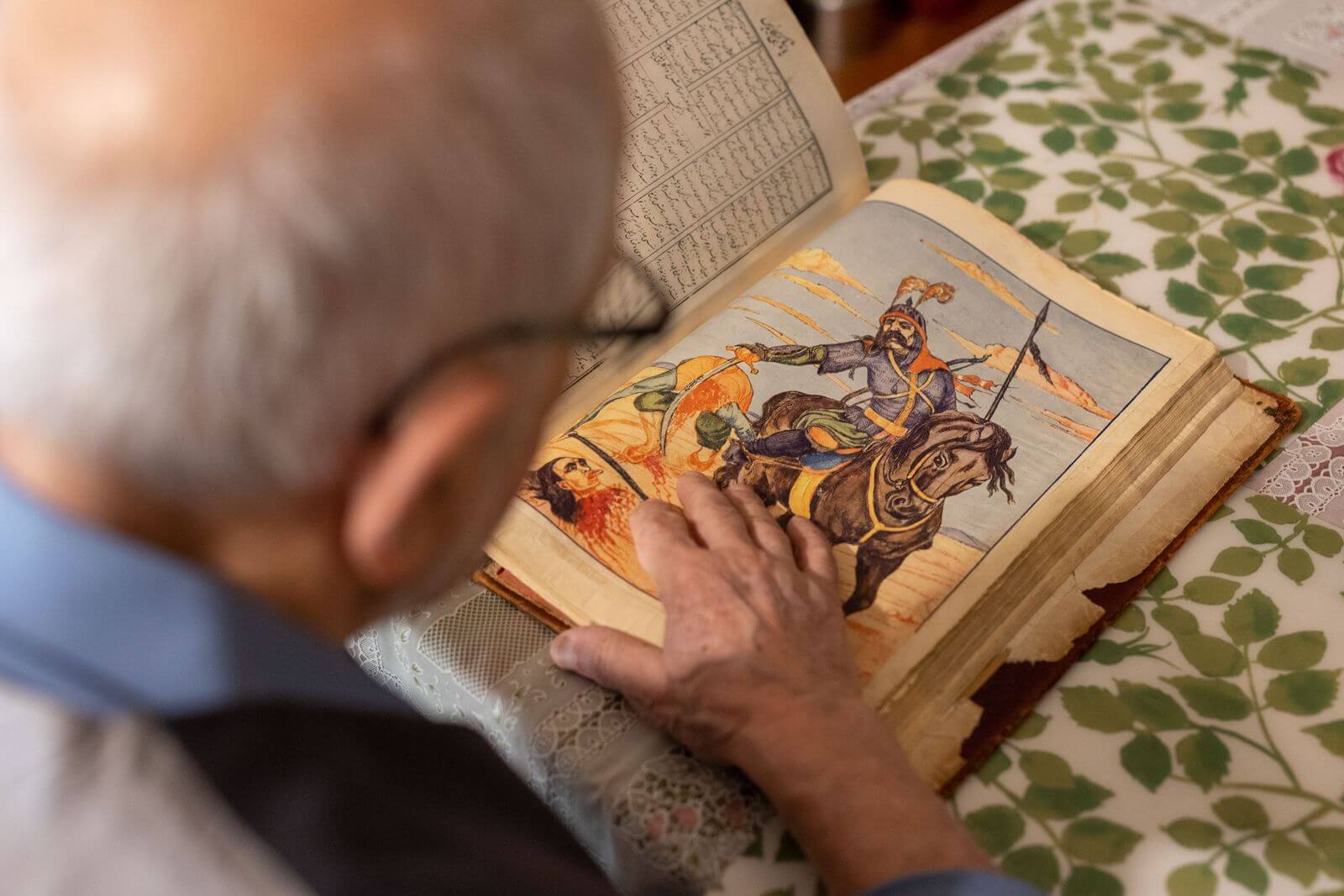
“My father named me Parviz—after one of Iran’s ancient kings. His story comes at the end of Shahnameh, in the historical section. Parviz was a good king. Not a great king, but a good king. His reign was a golden age of music. But he made many mistakes. His grandson Yazdegerd would be the last king of the Persian Empire. Every day on the way home from school I’d pass by the ruins of an ancient castle, where he made his final stand against the armies of Islam in 642 AD. The Battle of Nahavand was the bloodiest defeat in the history of our country. Most days when I got home I’d go straight to my room and read Shahnameh. The book opens in myth: our oldest stories, from before the written word. But the poets say our myths are even truer than our history. They emerge from the collective psyche. They hold our dreams. They hold our ideals. When Ferdowsi writes about our mythic heroes, he writes about all of us. And in Shahnameh there is no greater hero than Rostam. The Heart of Iran. A knight with the height of a cypress. And a voice to make, the hardened hearts of warriors quake. At one point in Shahnameh Iran is on the brink of defeat. Three enemy kings have joined their forces. Our armies are almost beaten. Rostam arrives at the battlefield on foot: no horse, no armor, carrying nothing but a bow and arrow. And with a single shot he slays the greatest champion of the other side. I wanted to be Rostam. My brother and I built a gym behind our garden. We took the heads off of shovels and made parallel bars. We made barbells out of clumps of dirt. We’d wrestle sixty times a day. And while we wrestled my brother’s friend would beat a drum and chant our favorite verses about Rostam: his defeat of the demon king, his battle with the dragon. There were no dragons in Nahavand, but there were ibex. They only lived at the highest elevations. And they were beautiful with their horns. I’d climb all night. I’d make my way by moonlight. The cliffs were covered in ice, a single slip could mean death. But I’d reach the summit by dawn, and watch the sun come up on herds of ibex grazing on the peaks.”
«پدرم مرا «پرویز» نام نهاد - به نام یکی از پادشاهان ساسانی. داستان خسرو پرویز در بخش تاریخی شاهنامه میآید. او شاه بدی نبود ولی در کار فرمانروایی لغزشهایی بدفرجام داشت. پادشاهی او دوران طلایی موسیقی بود. نوهاش یزدگرد سوم پادشاه سالهای پایانی شاهنشاهی ساسانی بود. روزانه، در راه مدرسه به خانه، از نزدیک ویرانهی کاخی باستانی میگذشتم که جایگاه شکست یزدگرد سوم از سپاه اسلام در سال ۶۴۲ میلادی بود. نبرد نهاوند بدفرجامترین شکست تاریخ ماست. همینکه به خانه میرسیدم، بیدرنگ به اتاقم میرفتم و شاهنامه میخواندم. کتاب با اسطورهها آغاز میشود: کهنترین داستانهای ما، از دوران پیش از نوشتار. برخی میگویند که افسانههای ما از تاریخمان هم راستینترند. آنها از روان گروهیمان برخاستهاند. دربرگیرندهی آرزوها و آرمانهای ما هستند. هنگامی که فردوسی از پهلوانان افسانهای ایران میسراید، دربارهی همهی ما مینویسد. و در شاهنامه پهلوانی والاتر از رستم نیست. قلب تپندهی ایران. پهلوانی بالابلندتر و نیرومندتر از همه. به بالای او در جهان مرد نیست / به گیتی کس او را همآورد نیست. با صدایی که دلهای استوار جنگجویان را به لرزه میانداخت. در بخشی از شاهنامه، ایران در آستانهی شکست است. سپاه سه کشور به هم پیوستهاند. رستم پیاده به آوردگاه میرسد: بی اسب، بی جنگافزار، تنها با دو تیر و کمانش. اسب و سردار نیرومند سپاه دشمن را از پای در میآورد. میخواستم رستم باشم. من و برادرم زورخانهای پشت باغچهمان ساخته بودیم. دستهبیلها را جدا کرده و با دستهها میلههای موازی (پارالِل) برپا کردیم. هالتر را از دسته بیل و گِل رُس تهیه کردیم. ما هر روز تا شصت بار کُشتی میگرفتیم. هنگام کشتی، دوست برادرم طبل مینواخت و شعرهای موردعلاقهمان را دربارهی رستم میخواند: شکست دادن دیوان، نبرد او با اژدهای پیدا و پنهان. در نهاوند اژدهایی نبود، ولی کَل و بزهای کوهی بودند. شاخهایشان چه زیبا و شکوهمند بود. بر بلندترین قلهها میزیستند. تمام شب را از کوه بالا میرفتم. مسیرم را با روشنایی مهتاب مییافتم. گاه تختهسنگها از یخ پوشیده بودند، اندک لغزشی میتوانست مرگبار باشد. ولی پیش از سپیدهدم خود را به قله میرساندم، و به تماشای تابش آفتاب بر گلهی بزهای کوهی که سرگرم جست و خیز و چرا بودند، مینشستم.»
Read more
Part 5/54
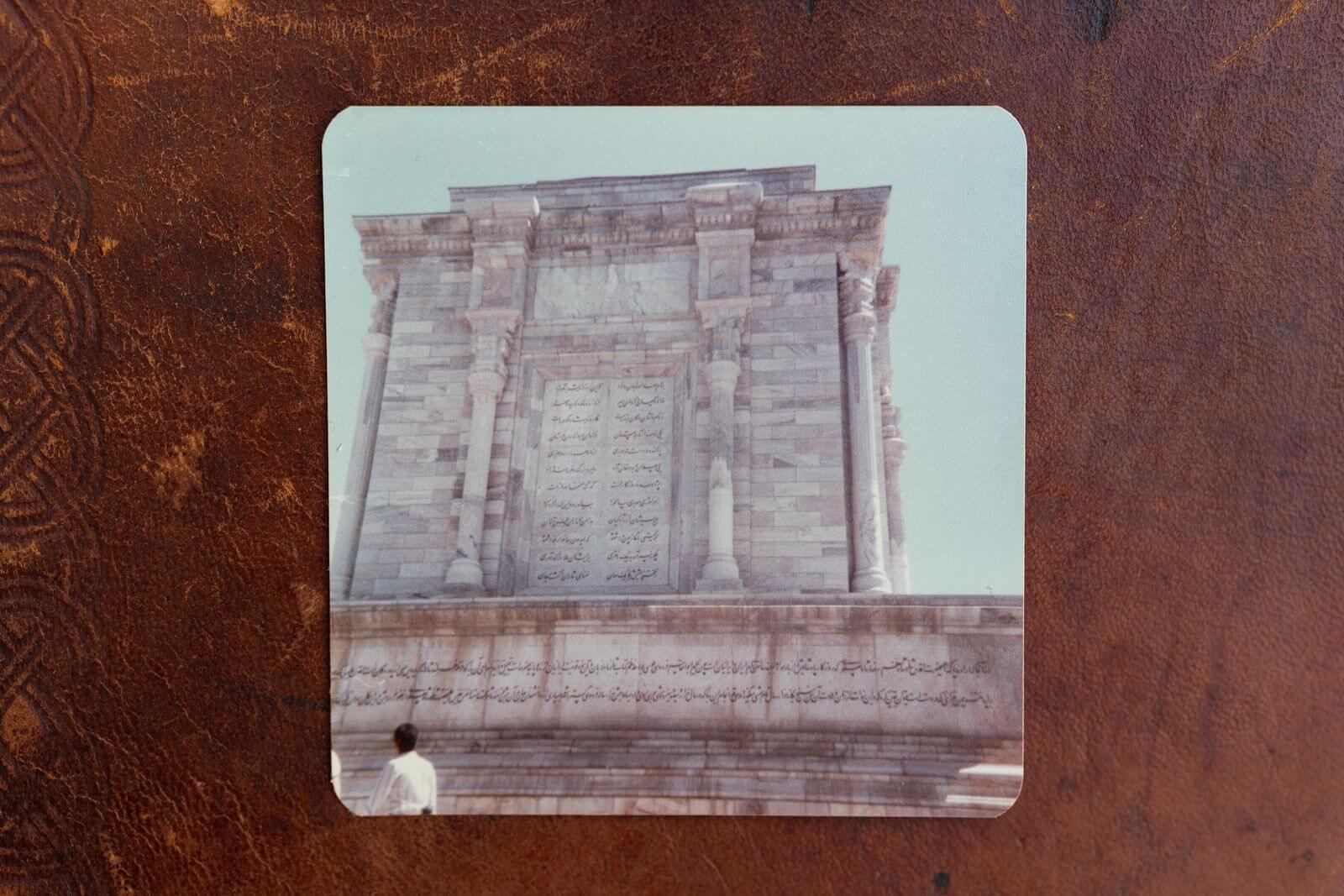
“The meaning of our most important words I learned from my mother. 𝘙𝘢𝘴𝘵𝘪: Truth. I never heard her tell a lie. 𝘕𝘦𝘦𝘬𝘪: Goodness. I never heard her gossip. And 𝘔𝘦𝘩𝘳: Love. We were three brothers and five sisters, but she loved us all equally. There were no assigned places at our dinner table. Everyone got their desired portion. While we ate our father would encourage us to debate the events of the day. No topic was off limits: history, politics, even the existence of God. And everyone was encouraged to use their voice. One weekend my father drove us all to visit Ferdowsi’s tomb in the city of Tus. It’s a large tomb. It’s modeled after the tomb of Cyrus The Great. On its face is etched the first line of Shahnameh. The master verse. The cornerstone: ‘In the Name of the God of Soul and Wisdom.’ 𝘑𝘢𝘢𝘯 and 𝘒𝘩𝘦𝘳𝘢𝘥. Soul and Wisdom. The two things that all humans have. With the opening line Ferdowsi does away with all castes and classes. He does away with all religion. He gives everyone a direct connection to the creator. As a young boy I’d memorized hundreds of verses. One of my favorite stories in Shahnameh is when Rostam selects his horse. Rakhsh is the only horse in Iran that can carry Rostam’s weight. Rakhsh has the body of a mammoth. But he's wild, he foams at the mouth. Rostam has to fight to tame him. I was a shy child. But something happens when I read Shahnameh. There’s an epic cadence. The words demand to be spoken. It’s like touching a hot stove. I feel the heat, I feel the pressure. It’s like a sword pierces my body and I have to let it out: ‘𝘙𝘢𝘬𝘩𝘴𝘩 𝘳𝘰𝘢𝘳𝘦𝘥 𝘣𝘦𝘯𝘦𝘢𝘵𝘩 𝘙𝘰𝘴𝘵𝘢𝘮!’ The neighbors would come running to their balconies to watch. Every region in Iran has its own dialect, and I could switch between them. The language is ancient, so I didn’t know the meaning of every word. But I could feel the music. When I mispronounced a word, I knew. As if I’d played a wrong chord. I could almost tell what he wanted. I could almost hear the voice of Ferdowsi himself.”
«معنای مهمترین واژگان زبانمان را از مادرم آموختم، راستی، هرگز دروغی از او نشنیدم. نیکی، هرگز غیبت نمیکرد و مهر و دوستی. ما سه برادر و پنج خواهر بودیم و مادر همه را به اندازهی مساوی دوست داشت. برای هیچکس جایگاه ویژهای بر سر سفره در نظر گرفته نمیشد. هر کسی به میل و اندازهی خود از خوراک سهم میبرد. هنگام خوردن پدر تشویقمان میکرد که دربارهی رویدادهای روز گفتوگو کنیم. هیچ موضوعی قدغن نبود: تاریخ، سیاست، حتا وجود خداوند. و همه تشویق میشدند که اندیشههای خود را بیان کنند. پدر ما را یک هفته به دیدن آرامگاه فردوسی در شهر توس برد. آرامگاهی بود بزرگ. بسان آرامگاه کوروش بزرگ طراحی شده است. نخستین بیت شاهنامه بر روی سنگ آرامگاه حک شده بود. شاهبیت است. پایه و ستون اندیشه و جهانبینی ایرانیست: به نام خداوند جان و خرد. دو چیزی که همهی مردمان از آن برخوردارند. در نخستین برگ شاهنامه، فردوسی همهی طبقات اجتماعی را کنار مینهد. همهی دینها را کنار مینهد. فردوسی به مردمان پیوندی بیواسطه با خداوند میبخشد. او میگوید: هر آنچه در این کتاب است، برای همگان است. در کودکی سدها بیت شاهنامه را به یاد سپرده بودم. از داستانهای مورد علاقهام در شاهنامه جاییست که رستم اسبش، رخش را برمیگزیند. رخش تنها اسبیست در ایران که میتواند رستم و جنگ افزار سنگینش را تاب بیاورد. رخش تنی بسان پیل دارد. سرکش است، رستم برای گرفتن و رام کردنش میبایست سخت بکوشد. من کودکی خجالتی بودم. ولی زمانی که شاهنامه را میخواندم، شور شگفتانگیزی مرا فرا میگرفت. شعرها آهنگی رزمی دارند. واژگان خواستار خوانشاند. همانند دست زدن به کورهای گرم. گرما را حس میکنم، فشار را حس میکنم. همانند شمشیری که تنم را میشکافد و باید آن را فریاد بزنم: از این سو خُروشی برآورد رَخش / وزآن سوی اسب یل تاجبخش. همسایگان شتابان بر روی بامهاشان جمع میشدند تا شنوندهی فردوسی باشند. هر منطقهای از ایران گویش و لهجهی خود را دارد. من داستانهای شاهنامه را به فارسی و گویشهای محلیمان میخواندم. کتاب به زبان پارسی کهن سروده شده است، معنای همهی واژگان را نمیدانستم ولی آهنگش را حس میکردم. اگر واژهای را اشتباه میخواندم، درمییافتم. چنانکه گویی نُت موسیقی را اشتباه زده باشی. میتوانستم به درستی بدانم که او چه میخواهد بگوید. گویی صدای دلآویز فردوسی را به جان میشنیدم.»
Read more
Part 6/54
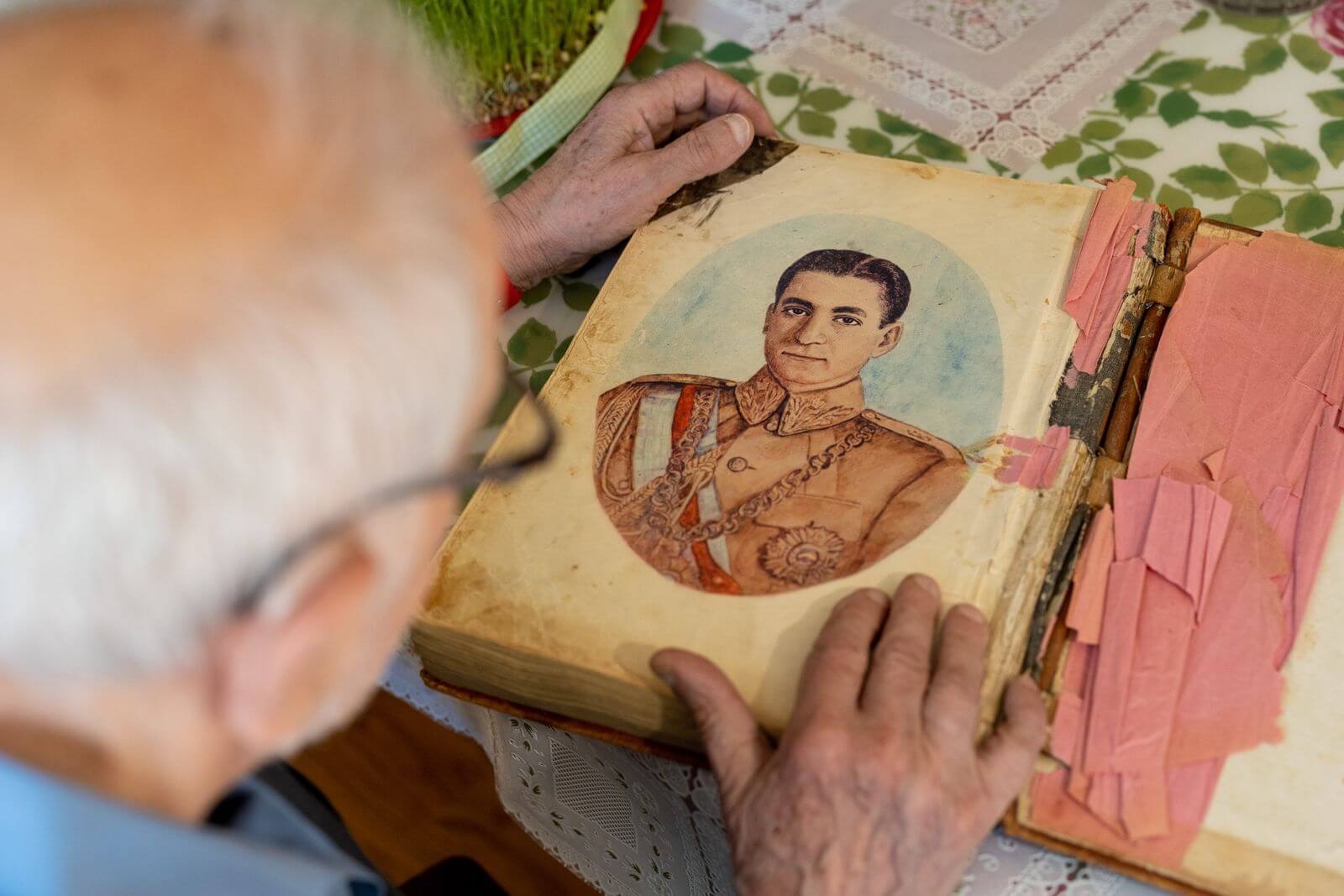
“One New Year our whole family took a bus to Qom— one of the holiest cities in Iran. When we arrived in the city it was like stepping back in time. This was a different kind of Islam. It wasn’t my father’s. It wasn’t even my mother’s. It was an Islam from fourteen hundred years ago. The bookstores only stocked religious books. There were no radios, no music. My nine-year-old sister tried to buy some glass bracelets at the bazaar, but the shopkeeper wouldn’t serve her. Because she wasn’t wearing a hijab. When he turned his back I broke the bracelets against the table. In the afternoon I was given time to explore on my own. I remember I was wearing long pants. I’d never worn long pants before, so I felt like a man. I made my way to the biggest shrine in the city. There was a huge crowd for the holiday. As I pushed my way through, the crowd began to sway and move. People began to shout all around me. Hats were thrown in the air. I couldn’t see what was happening, even when I stood on the tips of my toes. But suddenly the crowd began to part. If I’d been one step further back, it would never have happened. But a path opened up in front of me. And there he was. I’d seen his portrait every day of my life on the inside cover of my Shahnameh: Mohammed Reza Shah. The king of Iran. He was not yet the famous Shah that he’d one day become. At the time he was still a young man. But on that day he seemed to me like one of the great kings of Shahnameh. I was a shy child, but something came over me. I broke free from the crowd and began to follow him. He took off his shoes, I took off my shoes. He entered the shrine, I entered the shrine. This was my chance. I’d never been so close to a king. I knew I had to do something, so I reached out. And I touched his coat. I touched the coat of a king. That night when I came home I looked at myself in the mirror. Ferdowsi describes Rostam as having the height of a cypress. And arms that could rip rocks from the side of a cliff. I took one look at my scraggly body, and decided I was much too skinny to be a knight. But my garden was the best, it was plain for all to see. So I decided I would become the shah of Iran.”
«یک سال برای نوروز، همراه خانواده با اتوبوس به قم رفتیم - یکی از دو شهر مهم مذهبی ایران. هنگامی که به قم رسیدیم، انگار به گذشتههای دور بازگشته باشیم. گونهی دیگری از اسلام بود. اسلام پدرم نبود. اسلام مادرم هم نبود. اسلام هزار و چند سد سال پیش بود. کتابفروشیها تنها کتابهای دینی داشتند. موسیقی نبود. خواهر کوچکم میخواست چند تا دستبند شیشهای ارزان از بازار بخرد، ولی فروشنده از فروش به او خودداری کرد، چون حجاب نداشت. پس از اینکه فروشنده پشتش را به ما کرد دستبند را روی میز انداختم و شکست. بعد از ظهر آن روز اجازه گرفتم به تنهایی شهر را بگردم. به یاد دارم که شلوار بلند پوشیده بودم. پیش از این شلوار بلند نپوشیده بودم و احساس مردانگی میکردم. راه حرم را پیش گرفتم. انبوه مردم برای تعطیلات نوروزی در حرم گرد آمده بودند. به دشواری وارد صحن شدم، ناگهان تکاپویی میان مردم افتاد، جا به جا شدند. دور و بریهایم هورا میکشیدند. کلاههایی به هوا پرتاب میشد. روی نوک پاهایم ایستادم، در کلاس در شمار کوتاهقدها بودم، نمیتوانستم ببینم چه رخ داده است. ناگهان مردم از هم جدا شدند. اگر تنها یک گام عقبتر میبودم چیزی برایم رخ نمیداد. مسیری در برابرم باز شد. او آنجا بود. چهرهاش را هر روز در داخل جلد شاهنامهام میدیدم: محمدرضا شاه پهلوی، پادشاه ایران از کنارم گذشت. هنوز شاه پرآوازهای که در آینده شد، نبود. در آن هنگام او مردی جوان بود. ولی در آن روز او برایم مانند یکی از شاهان شاهنامه بود. من که همیشه کودکی خجالتی بودم، ناخودآگاه، در یک آن از جمعیت جدا شدم و او را دنبال کردم. کفشهای خود را درآورد، من هم کفشهایم را درآوردم. وارد آستانهی حرم شد، دنبالش کردم. کودک خجالتی برای دقیقهای چند از پوستهی همیشگی خود درآمده بود. میبایست کاری انجام میدادم که ارزش تعریف کردن داشته باشد، پس دستم را دراز کردم و پایین کتش را یکدم با دو انگشت گرفتم و رها کردم. سپس با شتاب به خانه برگشتم تا این پیشآمد را برای همه تعریف کنم. خود را در آینه نگاه کردم. فردوسی رستم را پیلتن مینامد، با چنگی که سنگ خارا را موم میکند. اگر سنگ خارا به چنگ آیدش / شود موم و از موم ننگ آیدش. نگاهی به خود انداختم و دانستم که بسیار لاغرتر از آنم که بتوانم پهلوان شوم. ولی باغچهام بهترین باغچه بود، زیباییاش بر همگان آشکار. آرزوی شاه شدن برآوردنیتر مینمود.»
Read more
Keep the
Sun Rising
Your support helps Nimruz bring bold ideas and vibrant visions to life. Every contribution keeps the vision growing and the work reaching more people.
DONATE NOW